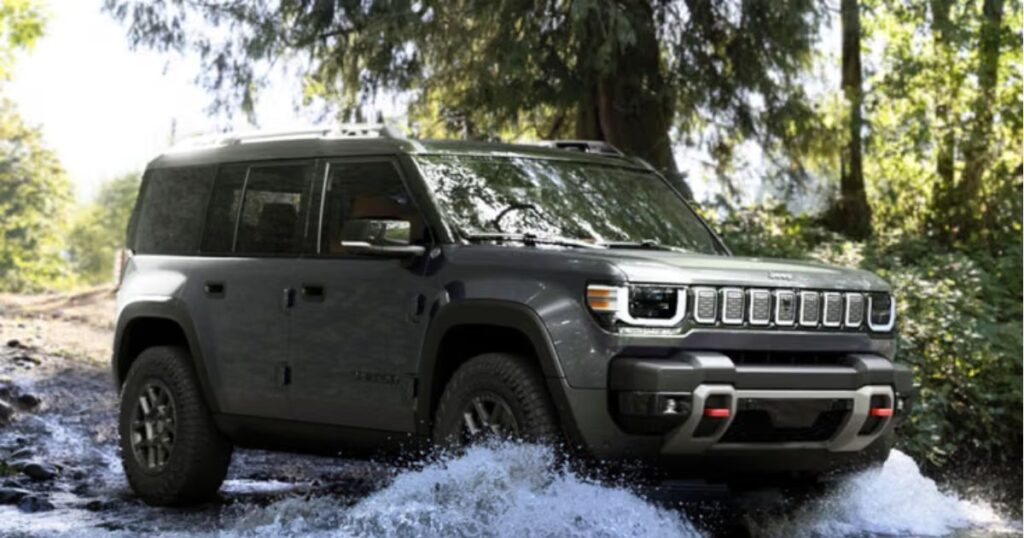
So this is exciting — spy shots have popped up of a new Hyundai electric SUV testing in Korea, and the big news is that it’s likely to be made in India too. Yep, that means this could be one of the first truly India-developed electric SUVs from a major global brand. (Source: RushLane)
Honestly, when I first saw the pictures, I thought, “Hmm, another EV?” Because EV talk is everywhere these days. But something about this one feels different, not just another city hatch pretending to be “eco-friendly.”
Why This Matters for India
Listen, India is still warming up to electric cars. Lots of people talk about EVs but when it comes to real highway ranges, fast charging, and luggage space for weekend trips — they start thinking twice.
But an electric SUV that’s made here and designed for Indian conditions? That’s a different story.
Think about what most buyers actually use cars for:
Daily office traffic
Weekend trips out of town
Highway stretches at 90–110 km/h
Family luggage and school runs
This new Hyundai machine — judging from the size and shape seen in the spy shots — seems to be bigger than a city EV, more like a real family SUV with an electric heart.
And honestly, if Hyundai can build that in India, it could change the EV game here — not just in big cities but also in smaller towns.
Does It Look Practical or Just Fancy?
One thing that struck me about the spied SUV is the stance — tall profile, properly sized wheels, decent ground clearance. It doesn’t look like a toy on big rims. It looks like something you could actually live with every day.
In Indian roads, that stance matters a lot. You don’t want a car that feels tiny or fragile when you meet potholes, intersections, or bad patches outside the city. Big SUVs make you feel safe and confident. From these early images, this Hyundai EV looks like it could offer that.
Most EVs we see around here are more like city commuters — small, compact, and fine for local traffic. But this one looks like it wants to do city + highway + family duties.
Tech and Features — What Buyers Will Notice First
We don’t yet have official specs, but if Hyundai sticks to its recent EV strategy, expect:
A big touchscreen infotainment
Wireless Android Auto and Apple CarPlay
Connected car tech (remote climate control, GPS tracking, app stuff)
Good safety features like multiple airbags and stability control
But here’s the thing that most buyers really feel first — not just see on paper:
Comfort matters. You want seats that don’t make your back ache after 100–200 km drives.
Smooth throttle and brake feel — EVs are naturally good at this.
Low noise inside the cabin — electric cars are nice and quiet.
And yes, these matter more than some fancy wallpaper on the screen.
Range and Charging — The Real Questions
Now, let’s get practical. Every EV buyer eventually asks:
How far can it go on one charge?
How easy is charging on highways?
Does it support fast charging?
What about battery health after 3–5 years?
We don’t have those numbers yet, but if Hyundai is serious about India, they’ll aim for:
At least 300–400 km real-world range
Fast charging support (like 10–80% in 30–45 minutes)
Good battery warranty
Because if you can’t do a Pune–Goa round trip without sweating over charging, it’s not an SUV you love, it’s one you tolerate.
Hyundai usually doesn’t cut corners on this — and that’s a positive sign.
Made in India — Good for Jobs and Prices
This part is important. If Hyundai builds it locally:
Cars could be priced more realistically
Import duties won’t hugely inflate EV cost
More local jobs and supplier growth happen
Service centres will have easier access to parts
And for you — the buyer — it means better support when you actually own the car.
Because there’s nothing more annoying than loving a car and then struggling to find parts or waiting weeks for service.
But Here’s My Honest Take
EVs are the future — there’s no doubt. But Indian roads and lifestyles are different. Not everyone lives in a gated community with easy charging. Not everyone takes short city trips only. Lots of people drive intercity, and sometimes without a perfect charging network.
So for an electric SUV to succeed here, it has to be:
Affordable
Easy to charge
Practical for families
Comfortable for long drives
Made for Indian traffic, climate, and potholes
From what the spy shots suggest, this new Hyundai looks more like a real EV SUV, not just a novelty. And if the pricing is sensible, it could bring more people into the electric fold without too many headaches.
Final Thoughts
This is one of those moments where you can feel the Indian car market changing. It’s not just about petrol vs diesel anymore. And not just about SUV crush. Now it’s about electric reach, everyday usability, and peace of mind.
If Hyundai gets this new electric SUV right — with good range, smart tech, and local pricing — it could be a game-changer for Indian buyers who are curious about EVs but waiting for something that feels just right.
So keep an eye on the March/April 2026 timeframe — this might be the EV you end up test-driving on your next long trip.
Also Read: Tata Sierra EV Launch Coming Soon – Tata Plans 2 New Cars and 4 Facelifts in 2026